22nd ZagrebDox: Community, Generational Tensions, Memory, and Social Change
9.4.2026.
The Regional Competition presents eighteen films rooted in smaller communities, where private and collective worlds intersect. Its themes include the disappearance and reshaping of rural spaces, relationships between people, landscape, and animals, economic and social pressures, generational tensions, memory, loss, and social change reflected in intimate lives.

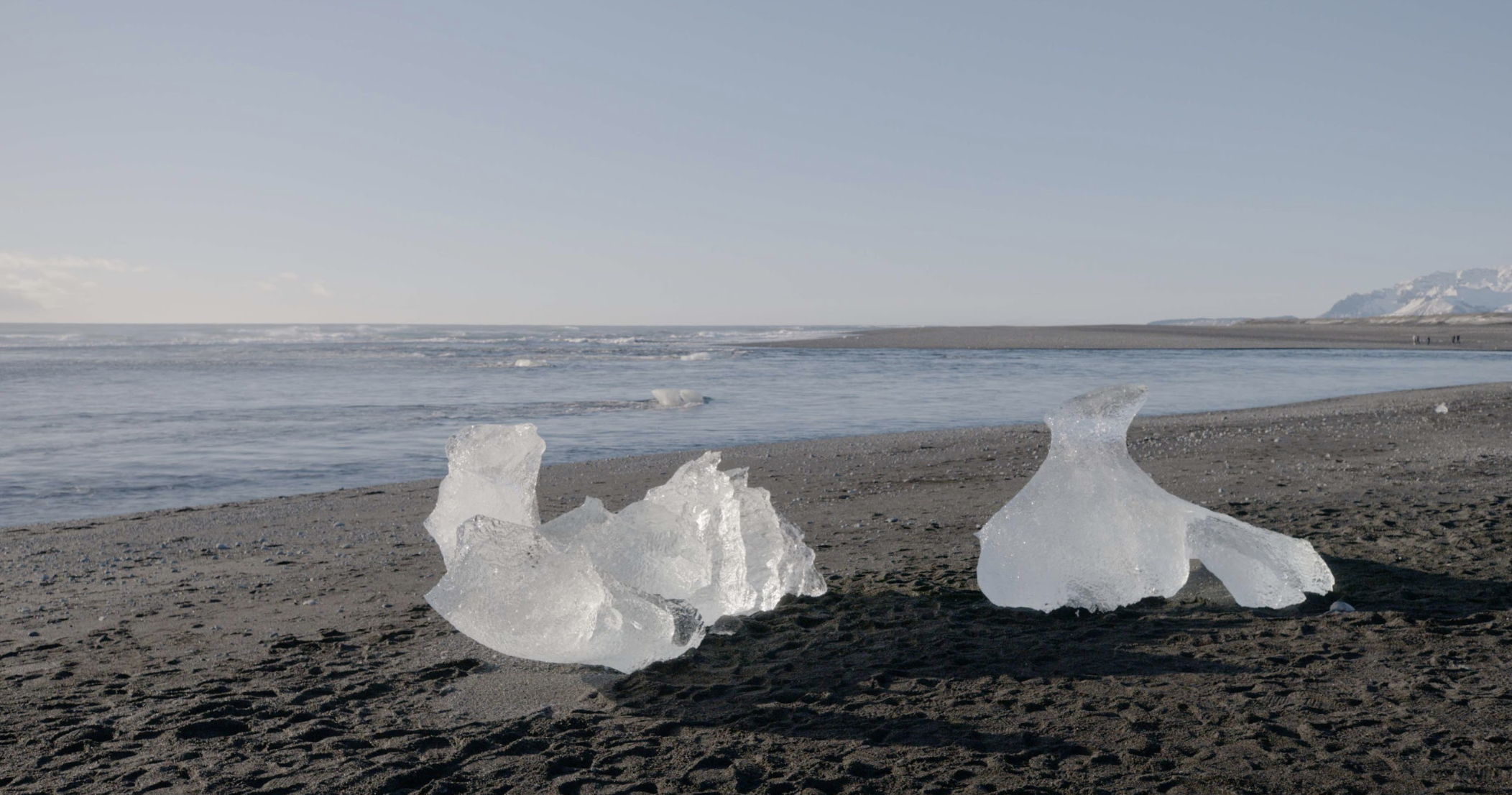
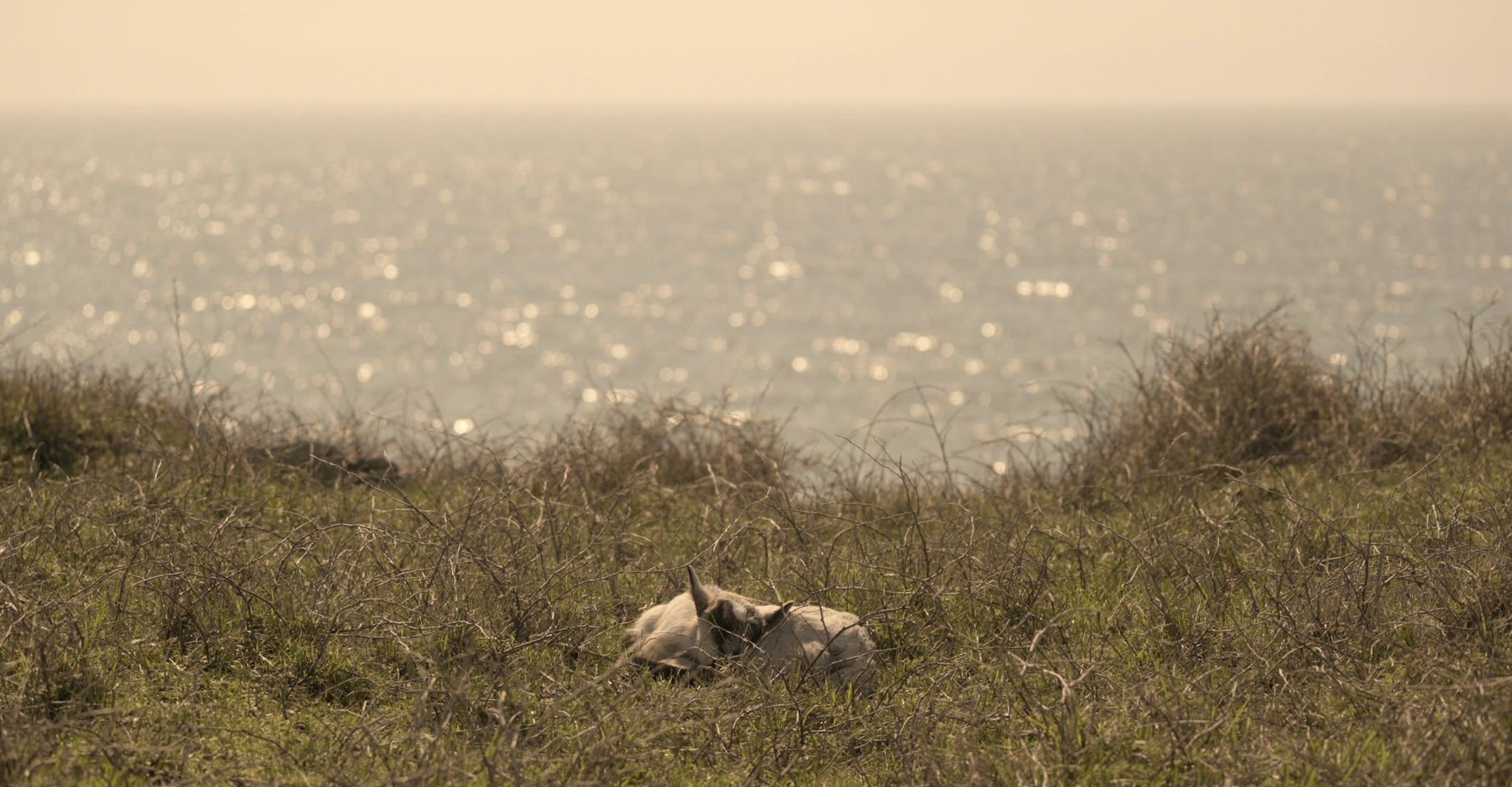
In Vlad Petri's A Train Passes Every Day and It Never Stops, a rural community is overshadowed by the transience and loss inherent in funerals, a local barbershop, and humor that softens everyday hardship. Ivan Ramljak’s found-footage crime documentary Greetings from the Secretariat uncovers hidden layers of history through archival photographs of an abandoned police station. In Melt, Nikolaus Geyrhalter turns icy landscapes into a global archive of disappearance shaped by climate change. Petra Seliškar’s The Mountain Won’t Move follows three brothers growing up in the Macedonian mountains, while Tonći Gaćina’s Goats! questions the fate of hundreds of goats left behind on a remote island after a failed state project. In The Feast of the Wolf, Jadran Boban uses fear of wolves in the Dalmatian hinterland to explore abandoned communities and conspiracy theories, while Nikola Boshnakov’s For a Few Chunks of Cheese portrays a small farm as a symbol of rural decline. Leonhard Thomas Pill’s Does the Horse Have to Work, Too? follows a shepherdess living in constant movement with her herd. In Serene Valley, Sebastijan Borovčak employs Lika's harsh landscape as the backdrop for a search for a missing man.
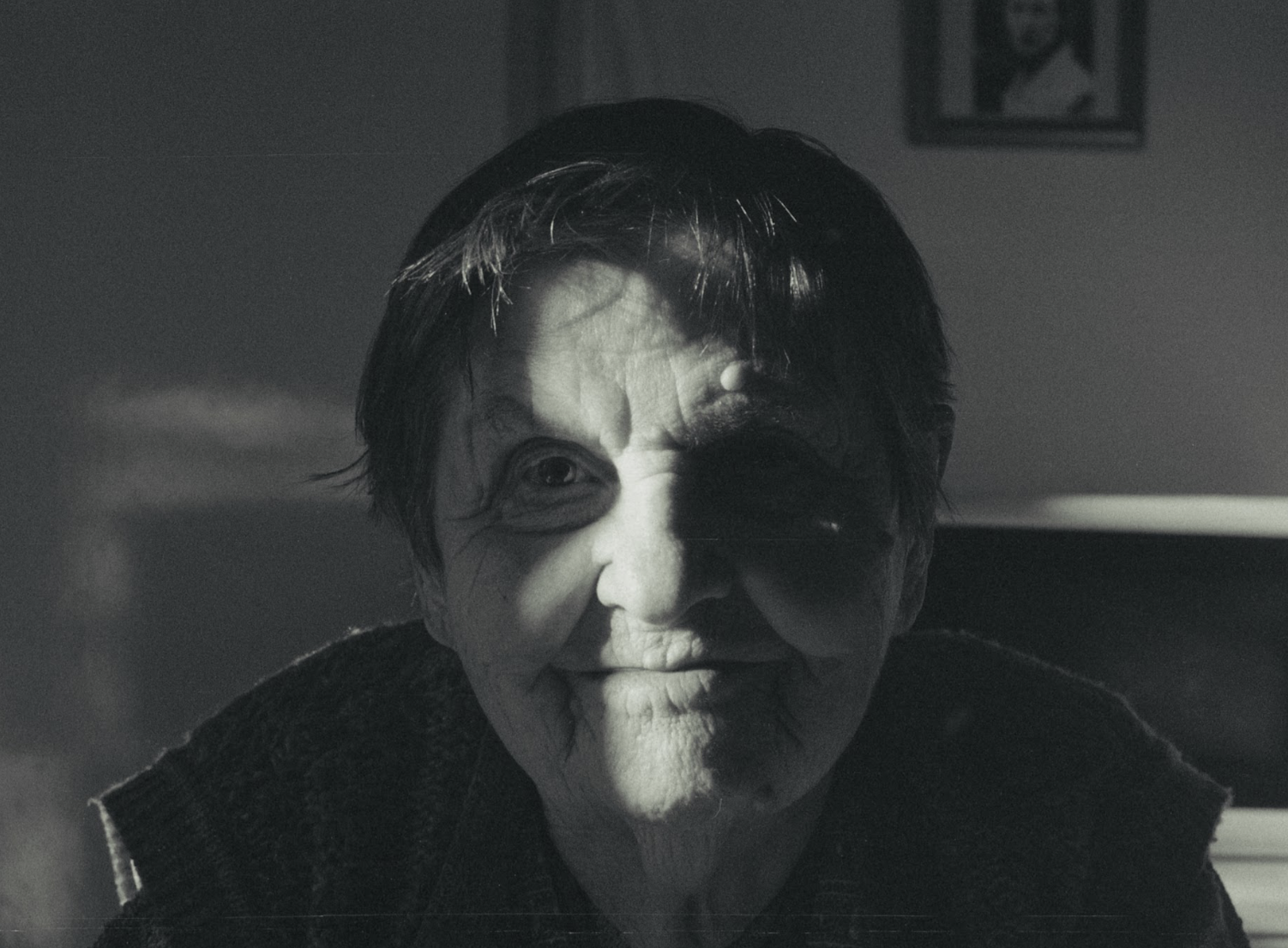
From physical landscapes, the program shifts to vulnerability and healing. In Lavender by Mateja Raičković, nature becomes a space for personal reconstruction, while Remember my Song by Jelena Bosanac and Tanja Brzaković explores how a once-beloved gathering place can become an object of hatred and destruction. In Ivan Grgur's Asparagus Bear, the appearance of a bear in a small town sparks collective paranoia in the age of social media. Meant to Be by Olivér Márk Tóth follows a teenage rapper from rural Hungary navigating sudden fame, school, and family life. In Omama, Martin Herr portrays the fragile relationship between an 88-year-old grandmother and her grandson. Tatjana Božić’s Fragments of Belonging reflects on displacement and identity after years of living across Europe, while Mina Simendić’s This Desirable Device examines what is lost in the pursuit of a “better life” abroad. In Slet 1988, Marta Popivoda turns the body of a dancer into an archive of socialist Yugoslavia, while Isa Willinger’s No Mercy explores how female and nonbinary filmmakers depict violence and power through the lens of the so-called “female gaze.”
“We’ll have as many screenings as before the pandemic. We’ll welcome Oscar winners as guests in the very year they won — for a film we were among the first in the world to recognize. We have a young, motivated, and passionate team closely connected to the Academy of Dramatic Art. Our festival is part of two important global film families: the European Film Academy and Cannes Docs. ZagrebDox Pro has finally stabilized after years of searching. To colleagues and film lovers alike, I can only say: enjoy this edition of ZagrebDox!” said Hrvoje Pukšec.
The 22nd edition of ZagrebDox takes place at Kaptol Boutique Cinema from April 19 to 26, 2026. The festival is supported by the City of Zagreb, the Croatian Audiovisual Centre, the Croatian Film Directors’ Guild, and the Zagreb Tourist Board.















.png)
.png)

.png)

.png)
.png)





.png)











.png)










.png)

.png)
.png)








.png)