
Wednesday at the 22nd ZagrebDox Film Festival
22.4.2026.
Life on Holocaust ground, warfare's effects on nature, a Masterclass on resisting anthropocentrism, Factumentaries, and a panel on fake news.

Within an exceptionally rich selection, yesterday’s program brought us Controversial Dox titles on the difficulty of debunking disinformation, regressive concepts of female autonomy and the right to a dignified death, an outstanding International Competition, harrowing films on the genocide in Palestine, regional standouts on family relations and contemporary society, portrayals of climate anxiety and solidarity with all living beings, and a Masterclass on the iconic style of Swiss documentary filmmaker Christian Frei.
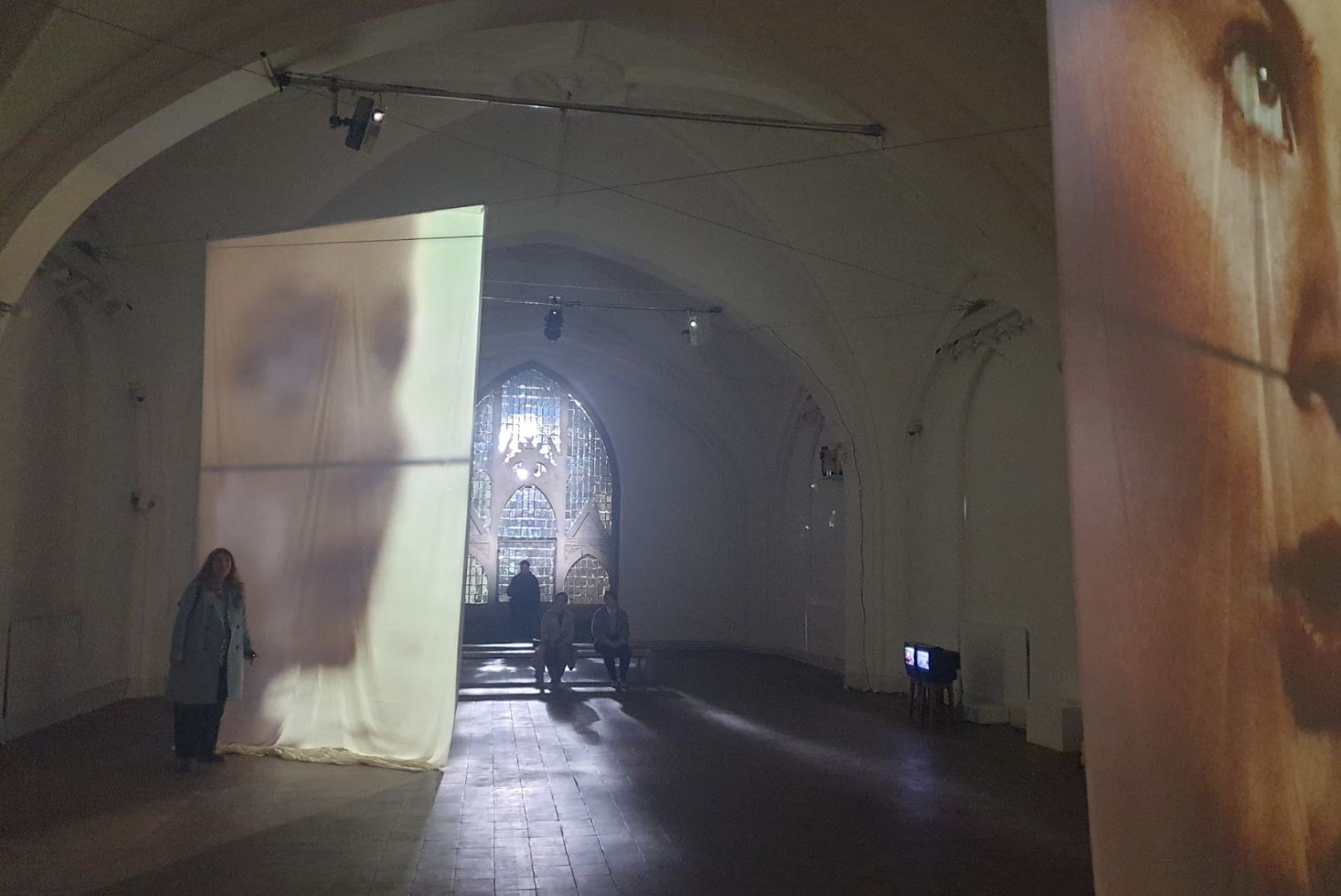
Wednesday at ZagrebDox opens at 13:30 with the intelligent radio documentary Breaking Darkness (Hall 4) by Hana Veček, a polyphony of twenty-three women reflecting on their experiences of watching films by the controversial Danish director Lars von Trier. Audiences will be able to hear more about Veček’s own perception of Lars’s female characters in a discussion with Lucija Brkić. At the same time, we revisit the radio drama Misfortune, Level 2 (Hall 5) by Violette Gitton, an edit of conversations with patients at a psychiatric clinic that dismantles stigmas surrounding mental health and re-examines established forms of treatment. We can also attend the exhibition Ground Zero of Fast Fashion (Hall 4) by Magnus Wennman, exposing human rights violations and environmental destruction behind the façade of the fast fashion industry.
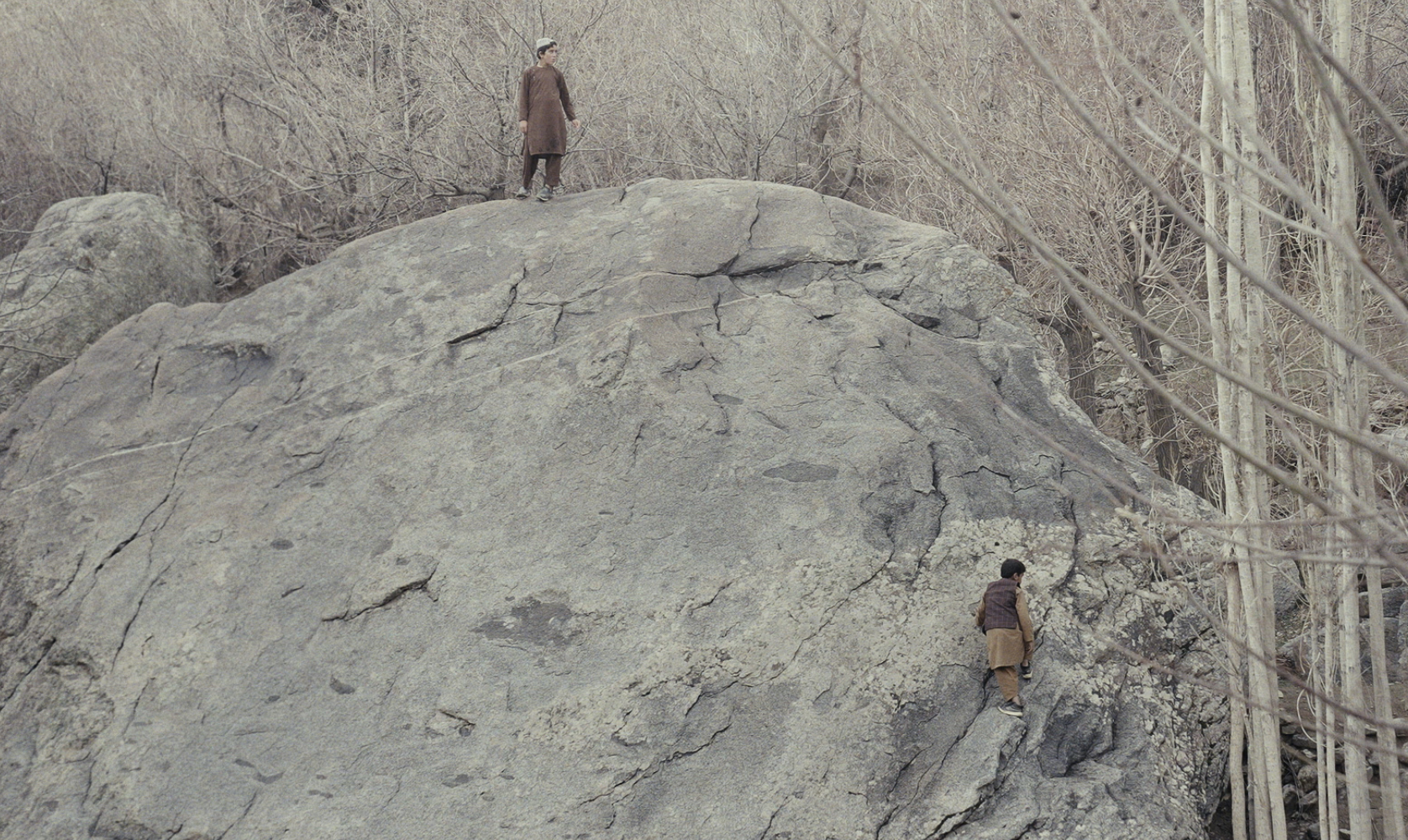
The film program at 13:30 continues with the second screening of the Controversial Dox title Bedrock (Hall 1), a moving film about Poles living on former Holocaust sites, and about the invisible links between their beliefs and histories of resistance or complicity. The parallel program includes the Festival Hit Kabul, Between Prayers (Hall 3), which, through an intimate look into the lives of two brothers committed to Taliban beliefs, dissects themes of repression and indoctrination without prejudice, as well as the exhibition Lost Territories Archive (Hall 5) by the Sputnik Photos collective, a visual exploration of the cultural topography of post-Soviet Europe. At 14:00 we can watch the Green Dox Nuisance Bear (Hall 2) by Jack Weisman and Gabriela Osio Vanden, about a polar bear who, driven from his former habitat by the climate crisis, collides with tourists, rangers and hunters.
The program continues at 15:00 with a second screening of the regional competitor A Train Passes Every Day and Never Stops (Hall 5) by Vlad Petri, a story about the unspoken presence of death in the everyday life of a Romanian village. In parallel, we can attend the exhibition DISPLACEMENT Planinska 7 (Hall 4) by Petra Slobodnjak, a witty portrayal of solidarity among neighbours, and Divia (Theatre 4) by Dmytro Hreshko, which, through extraordinary imagery and immersive sound, communicates wartime destruction from the perspective of wounded nature. At 15:30, we move to Dokukino KIC, where Petr Lom and Corinne van Egeraat, in their Masterclass Non-Anthropocentric Cinematography and Storytelling, teach us how to tell stories that do not center on human beings. At the same time, Kaptol Boutique Cinema screens the harrowing The Mission (Hall 3) by Mike Lerner, raw footage of surgical procedures in Palestinian hospitals under constant bombardment, as well as the international title Closure (Hall 1) by Polish director Michał Marczak, a contemplative film that, through a grieving father’s search, opens a dialogue on youth suicide and mental health. As part of the honorary retrospective of Christian Frei, at 16:00 we screen his award-winning Space Tourists (Hall 2), a witty and timely story about billionaires travelling to space for leisure.
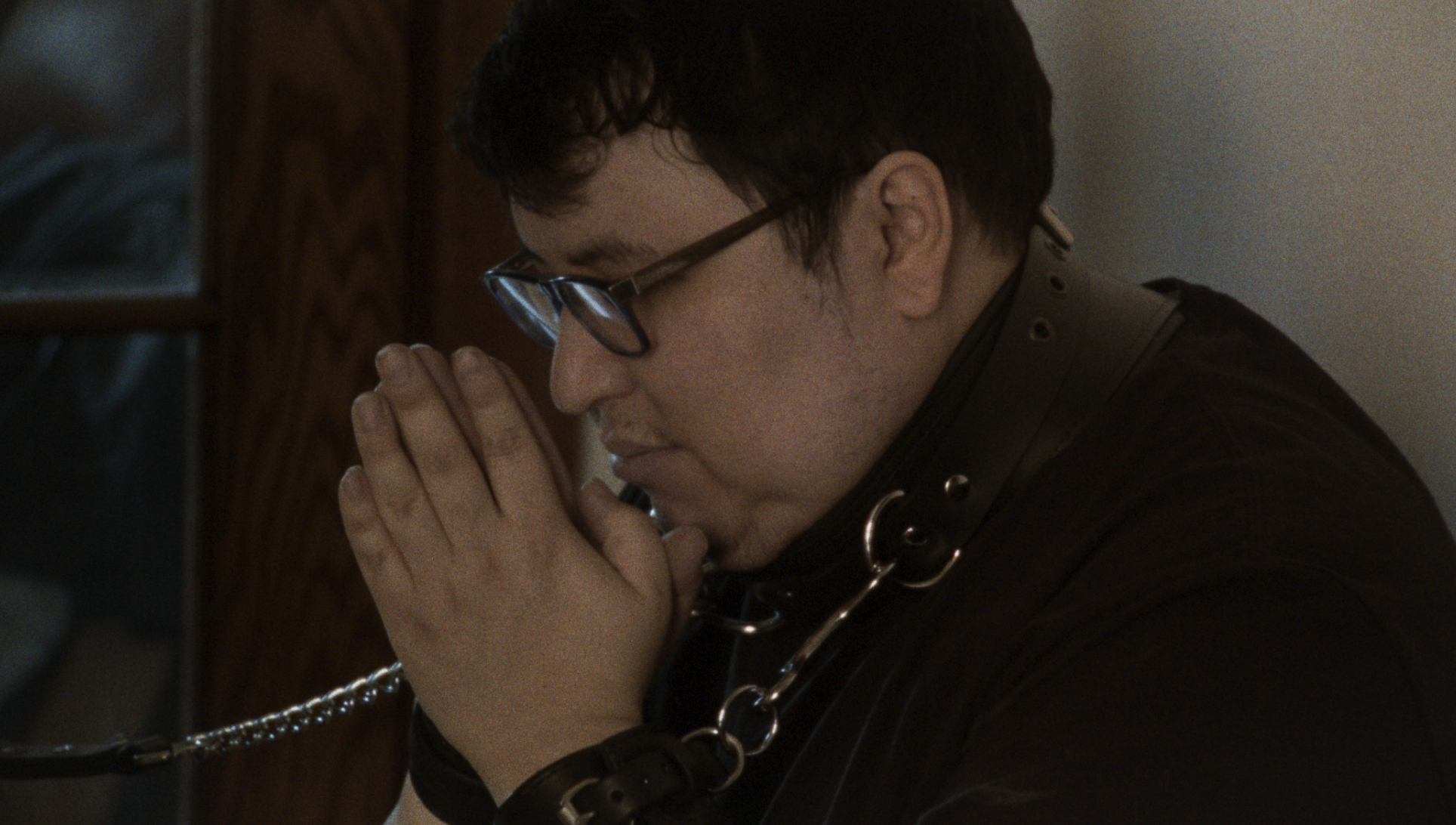
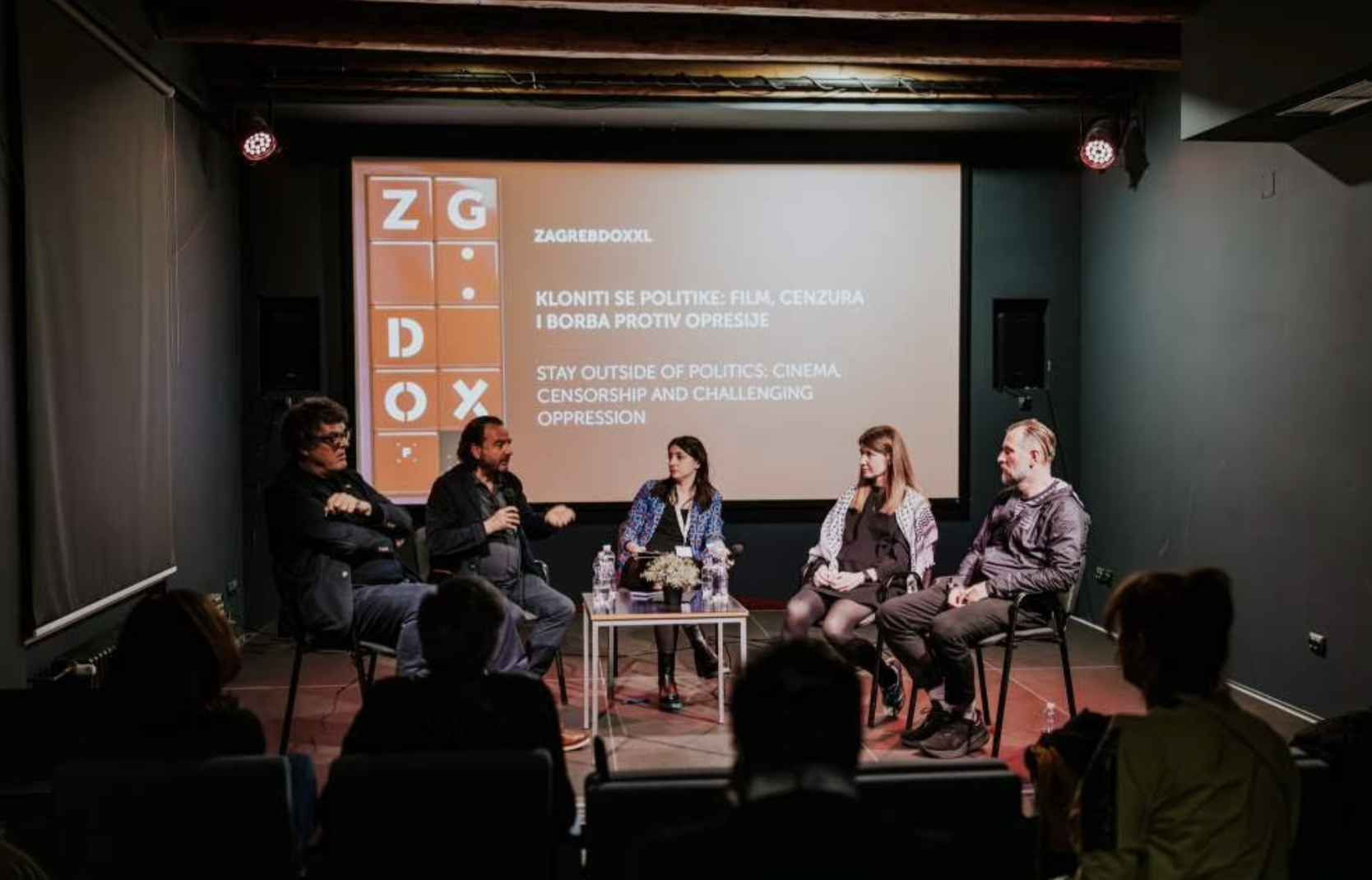
The afternoon programme once again takes us to Dokukino KIC, where at 17:00 we can attend the DoXXL Panel Change My Mind: Documentary vs. Fake News. In conversation with director Robin Kvapil, journalist Melita Vrsaljko and psychologist Andrea Vranić, film critic and DoXXL curator Dina Pokrajac will explore the interplay between social media, contemporary media and disinformation, as well as the difference between healthy scepticism and conspiracy theories. At Kaptol Boutique Cinema, we can watch New Beginnings (Hall 5) by Vivianne Perelmuter and Isabelle Ingold, the story of Native American Vietnam War veteran who eases his anxiety about contemporary violence and the climate crisis by visiting fellow soldiers across the country. His conversations with acquaintances become a mirror of today’s America, as well as of intimate themes of friendship, identity and trauma. Also screening is the short Festival Hit Fear Nothing (Hall 4), juxtaposing the industry of half a million private security guards in South Africa with a critique of today’s crisis of masculinity, and Natchez (Hall 4) by Suzannah Herbert, which shows how commodified nostalgia for the “Old South” invokes the legacy of conservatism and racial division. The 17:00 slot repeats the exhibitions Black Gold (Hall 4) and DISPLACEMENT Planinska 7 (Hall 5). At 17:30, we can attend this year's first Factumentary, Not for Sale (Hall 3) by Marina Aničić Spremo, which questions the housing consequences of privatisation for ordinary families, followed by a discussion with festival selector Vedran Šuvar. The parallel programme brings the excellent regional competitor For a Few Chunks of Cheese (Hall 1) by Nikola Boshnakov, the story of an unyielding Bulgarian dairywoman who gets the chance to become a grandmother on a luxury American island. Boshnakov will then discuss the film with Lucija Brkić. At 17:30, we also welcome the Factumentary Subjective (Hall 3), where Anja Koprivšek experimentally shapes her experience of last year’s festival. After the film, she will discuss its themes with film critic and political scientist Boško Picula. Also at 17:30, we can watch the short Goats! (Hall 1) by Tonći Gaćina, portraying an island struggling to manage hundreds of goats after the collapse of economic development. After the film, we will explore themes of failed development projects in remote parts of Croatia with Gaćina and film critic and curator Sara Simić.
At 18:00, the program continues with the world premiere of the regional competitor Does the Horse Have to Work, Too? (Hall 2) by Austrian director Leonhard Pill. With a touch of humour, Pill depicts the brutality of rural life through Valerija’s daily routine of birthing, tending and slaughtering sheep. After the screening, Pill will discuss the realism of his approach with producer and critic Robert Zuber. At 19:00 we revisit the exhibitions Points of Impasse (Hall 4) and Nature, Chemistry and Society (Hall 5), while the film program offers a second screening of the unusual Air Horse One (Hall 5) about the intense demands placed on competitive horses. Also screening at that time is a visually imposing reading of the myth of Sisyphus, Trillion (Hall 4) by Victor Kossakovsky, as well as a harrowing portrayal of migration, The Travelers (Hall 5). At 19:30, the Regional Competition comments on ethnic tensions in the former Yugoslav region with Remember my Song (Hall 3) and Slet 1988 (Hall 3). Directors Jelena Bosanac and Tanja Brzaković will chat with Sara Simić after the screening. Audiences will then watch the Biographical Dox on the controversial entrepreneur, Elon Musk Unveiled: The Tesla Experiment (Hall 1) by Andreas Pichler.
At 20:00, we continue with a critique of Putin in Time to the Target (Hall 2) by Vitaly Mansky, and at 21:00 we screen the biographical Goranka (Hall 4), about the iconic Yugoslav photographer Goranka Matić. Director Boris Miljković will then discuss Goranka’s legacy with Boško Picula. The 21:00 slot repeats the exhibitions Borderline of Freedom 2016–2021 (Hall 5) and Delta Oscar Mike (Hall 4). We then also screen The Encampments (Hall 5) and As I Lay Dying (Hall 5), two films about resisting political violence. Today’s program concludes at 21:30 with second screenings of Paul (Hall 1) and wedLOCK tradWIFE (Hall 1), and a layered portrayal of football fan subculture, Ultras (Hall 3).
The International Documentary Film Festival ZagrebDox takes place at Kaptol Boutique Cinemas until 26 April 2026. ZagrebDox is held with the support of the City of Zagreb, the Croatian Audiovisual Centre, the Croatian Film Directors’ Guild and the Zagreb Tourist Board. All news and information about ZagrebDox are available at the official website and on the festival’s social media channels.
















.png)
.png)


.png)

.png)
.png)





.png)












.png)













.png)


.png)

.png)









.png)