
Friday at the 22nd ZagrebDox Film Festival
24.4.2026.
Teen Doxes about young people dreaming of better lives, the challenges facing a young Hungarian rapper, Yugoslav music legends, the identity of emigrants, and the biography of an iconic footballer.

On Thursday, alongside a rich discursive program, audiences could opt for titles from the International Competition about life in a Georgian village, the brutal world of Bolivian miners, and the emancipation of a young Iranian artist, as well as Regional Entries about the rural Balkans that inspired a DoXXL Panel on resisting stereotypical tropes of the barbaric Balkans. We listened to a radio documentary about the iconic Laika, watched several Teen Doxes, and attended a discussion with a Robin Kvapil, a Czech filmmaker who attempted to convince three conspiracy theorists of the reality of the war in Ukraine.
Friday’s program begins at 1.30 PM with repeated exhibitions — Delta Oscar Mike (Hall 5) and Lost Territories Archive (Hall 5)—that visually examine themes of personal and collective identity. Audiences will also have the opportunity to revisit the radio documentaries Breaking Darkness (Hall 4), a polyphony of female voices commenting on the oeuvre of Lars von Trier, and Laika: The Reluctant Hero (Hall 5), a unique story of a dog who found herself at the center of the Cold War. Also screening at 1.30 PM are Does the Horse Have to Work, Too? (Hall 3), a depiction of the harshness of rural life, and Elon Musk Unveiled: The Tesla Experiment (Hall 1), a biography of the controversial tech entrepreneur. At 2:00 PM, we can watch the excellent music biography Monk in Pieces (Hall 3). The program continues at 3.00 PM with the humorous miniature Pedro Tomás Explains the World (Hall 4), which introduces Sanatorium (Hall 4), a portrait of a Ukrainian health resort whose popularity has not been hindered by war. In the same slot, audiences can once again opt for the festival hit We Were the Scenery (Hall 4), about a couple involved in the filming of Apocalypse Now, the autobiographical process of self-discovery Flana (Hall 5), and the exhibition Nature, Chemistry and Society (Hall 5). Screenings at 3.30 PM include Ghost Elephants (Hall 3) by the Master of Dox Werner Herzog and the international competitor One in a Million (Hall 1). At 4.00 PM, we continue the retrospective of Swiss director Christian Frei with Genesis 2.0 (Hall 2).
The 5.00 PM slot offers a series of excellent and timely Teen Doxes that capture young people in existential anxiety and personal challenges characteristic of the contemporary world. In +10k (Hall 4), Gala Hernández López humorously sketches the dreams of wealth of the loser Pol. In Make Money, Find Meaning, Don’t Panic (Hall 4), Amélie Hardy follows a group of young people through a surrealist career orientation program. No God No Father (Hall 4) by Paul Kermarec questions our reliance on the internet in attempts to navigate the world, while Memories of a Window (Hall 4) by Mehraneh Salimian and Amin Pakparvar frames political violence from a teenage perspective. At the same time, audiences can view the exhibitions Borderline of Freedom 2016–2021 (Hall 5) and Delta Oscar Mike (Hall 4), as well as a Regional Competition title about the political neglect of remote regions of Croatia, The Feast of the Wolf (Hall 5). At 5.30 PM, we once again screen the metafilmic regional entry Being Related to John Malkovich (Hall 1), as well as the harrowing Memory (Hall 3) by Vladlena Sandu, who will discuss the importance of reckoning with trauma with film critic Sara Simić.
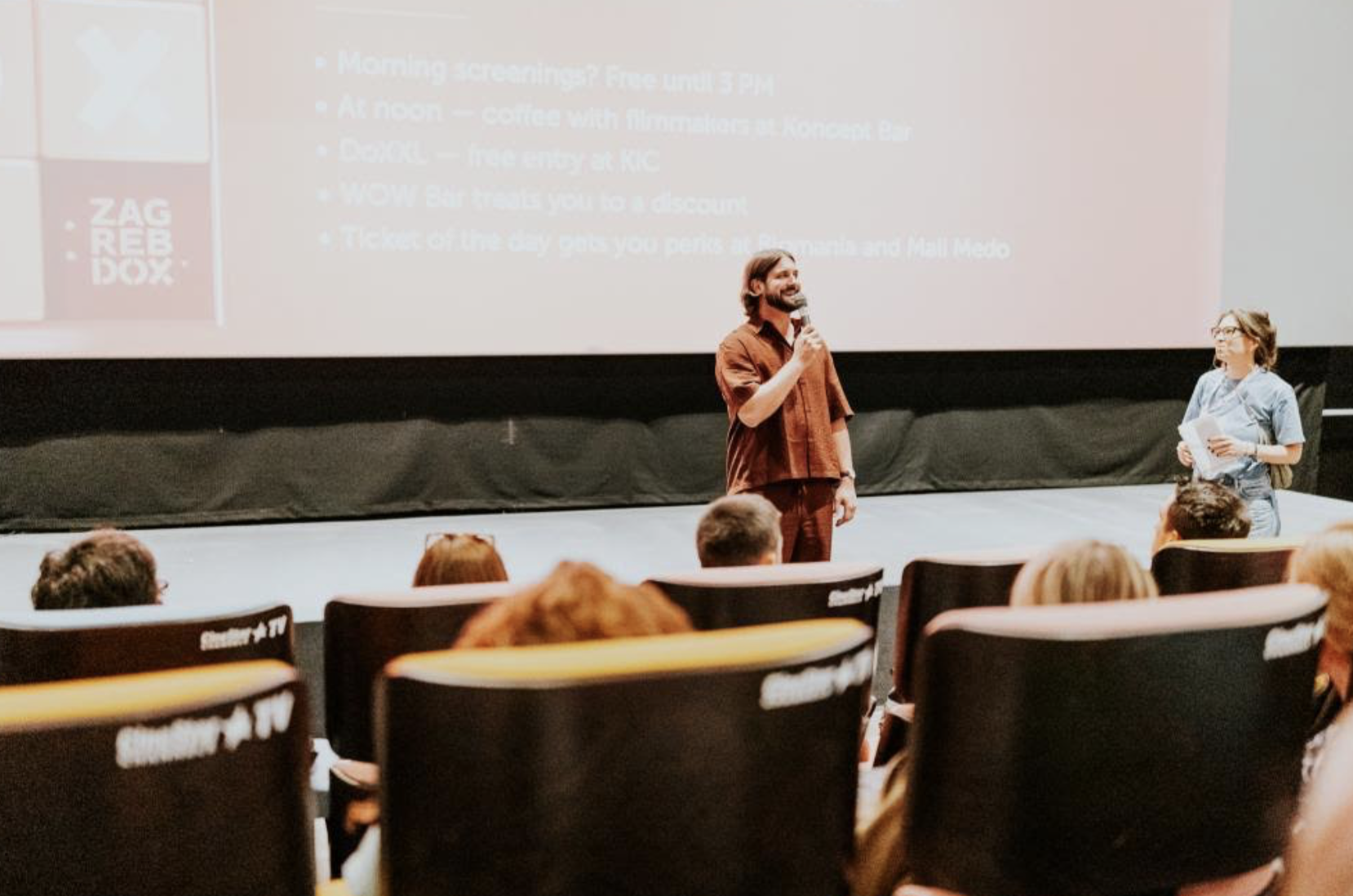
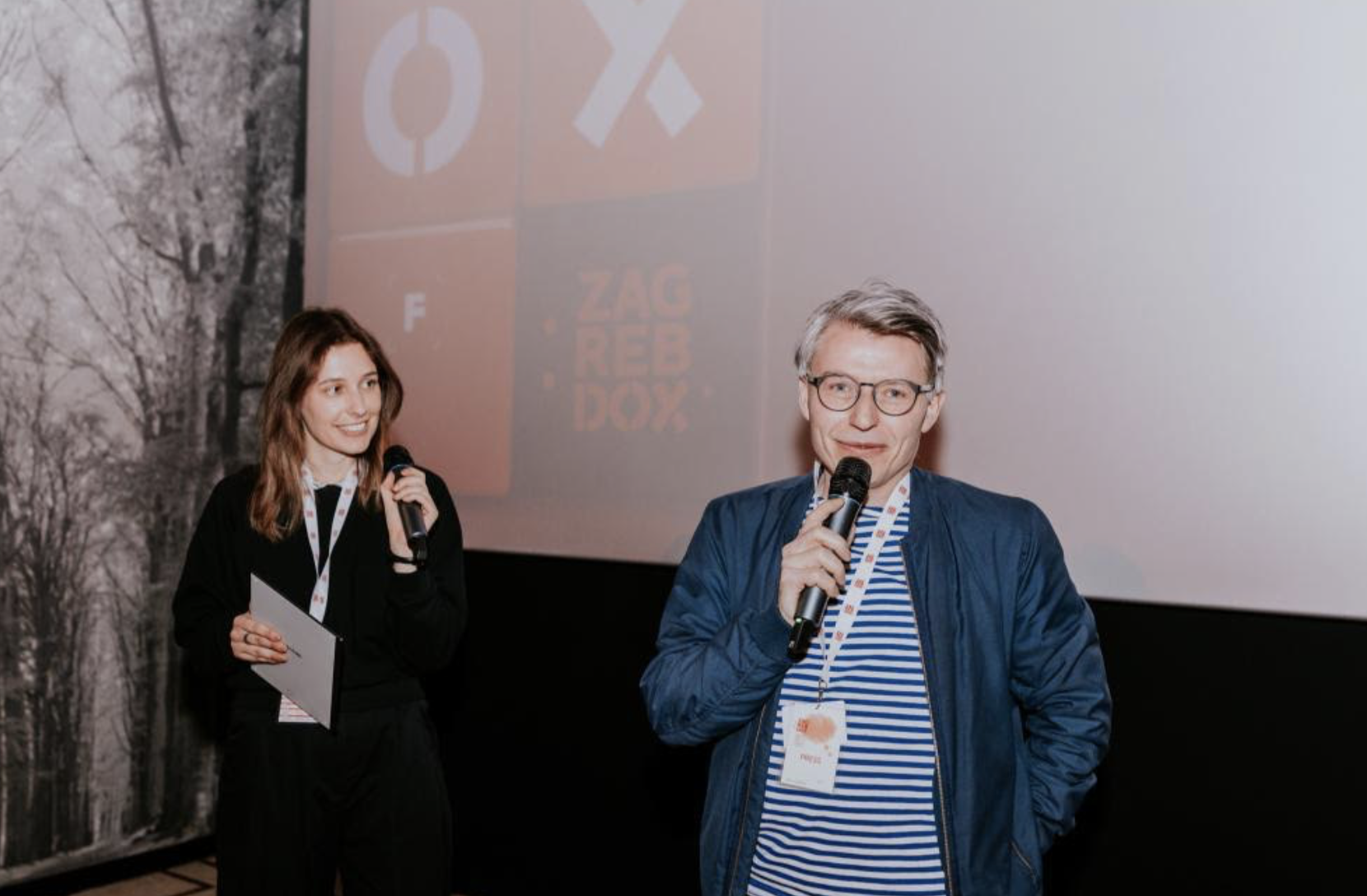
At 6.00 PM, we screen Meant to Be (Hall 2), in which director Olivér Márk Tóth traces the tumultuous path of a talented teenager from rural Hungary to global rap stardom. After the screening, Tóth will chat with Sara Simić about growing up in Hungary and the discomforts of fame. At 7.00 PM, we can once again view the exhibitions Ground Zero of Fast Fashion (Hall 4) and Black Gold (Hall 5), two critiques of unethical industries. Also screening are the autobiographical Confessions of a Mole (Hall 5), about tradition and mortality, and the first screening of the memorable Festival Hit Welded Together (Hall 4) by Anastasiia Miroshnychenko, the story of a female welder determined to protect her younger half-sister from the harshness of the world. At 7.30 PM, two regional titles explore the tension between leaving home in search of a better life and genuine belonging: This Desirable Device (Hall 3) by Mina Simendić and Fragments of Belonging (Hall 3) by Tatjana Božić. After the screening, Božić will discuss integration into foreign societies and family relationships with film critic Boško Picula. Also at 7.30 PM, audiences can opt for Better Go Mad in the Wild (Hall 1) by Miro Remo, a charming story about aging twins who, in the midst of nature, begin to nurture hopes for different futures.
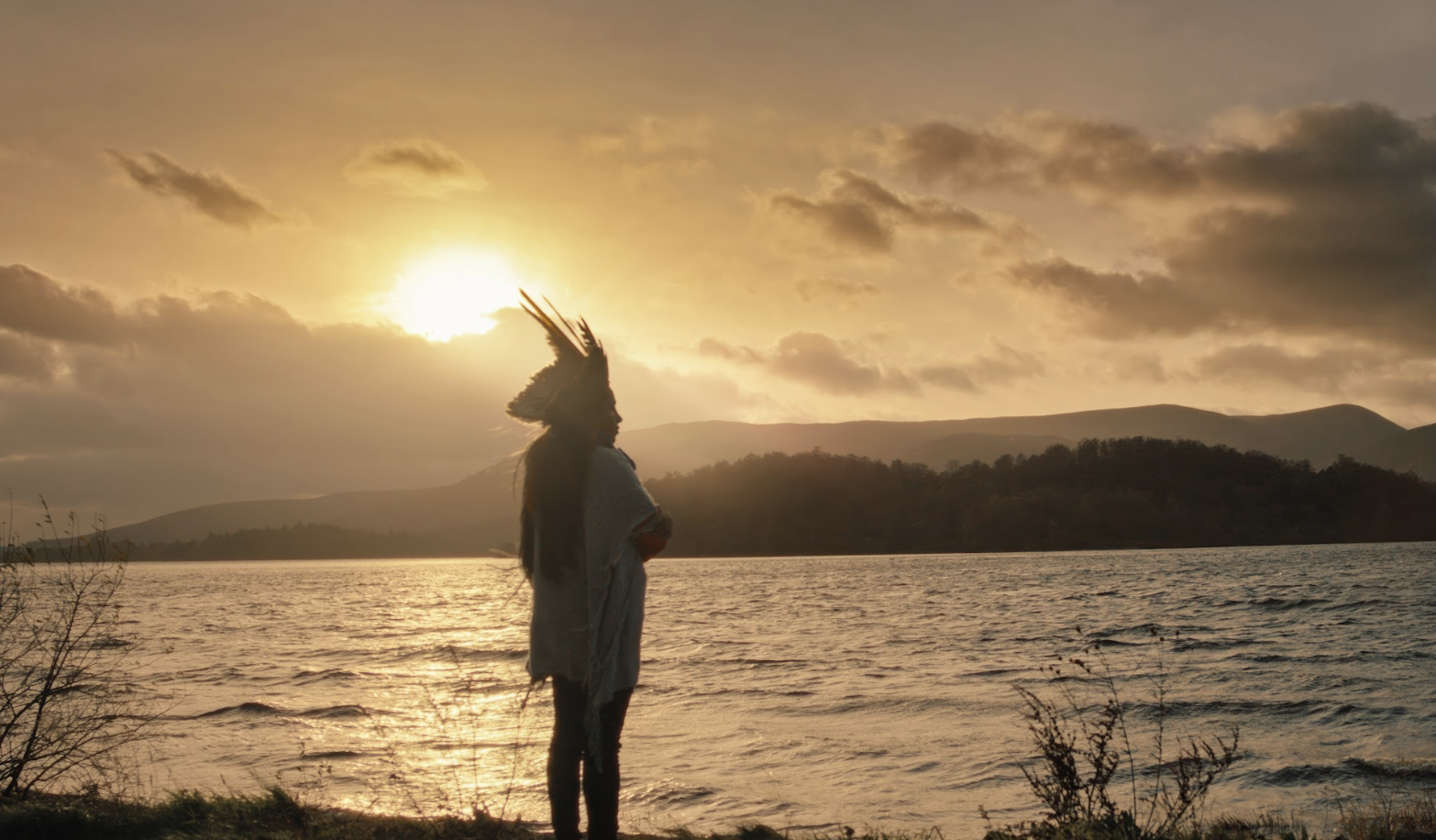
The 8.00 PM, the program focuses on two biographical films: Behind the Smile (Hall 2) by Marko Đorđević and One Man Avalanche (Hall 2) by Slobodanka Radun, stories about iconic Yugoslav musicians Vlada Divljan and Dragoljub Đuričić. Đorđević and Radun will discuss the protagonists of their films and the challenges of telling stories about regional legends with Boško Picula. At 9.00 PM, the program approaches its close with screenings of three short films about political violence in Palestine: the contemporary genocide in Gaza in happiness (Hall 4), the Second Intifada in Intersecting Memory (Hall 4), and Israeli opponents of genocide in Children No More: “Were and Are Gone” (Hall 4). Audiences can attend the exhibitions Borderline of Freedom 2016–2021 (Hall 4) and DISPLACEMENT Planinska 7 (Hall 4), as well as the second screening of the transgressive Portrait of Nowness (Hall 5). At 9.30 PM, we conclude with the festival hit Yanuni (Hall 3) by Richard Ladkani, a portrait of an Indigenous chief who joins the fight for climate justice, and the biographical film about British football legend Kenny Dalglish (Hall 1).
The International Documentary Film Festival ZagrebDox runs at Kaptol Boutique Cinemas through April 26, 2026. ZagrebDox is held with the support of the City of Zagreb, the Croatian Audiovisual Centre, the Croatian Film Directors’ Guild, and the Zagreb Tourist Board. All news and information about ZagrebDox are available on the official website and on the festival’s social media channels.














.png)
.png)

.png)

.png)
.png)




.png)










.png)











.png)

.png)
.png)







.png)